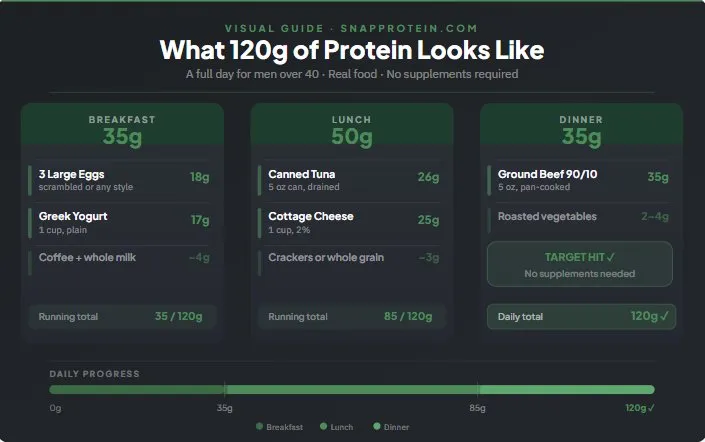
- 120g of protein across a day = 3 eggs + Greek yogurt at breakfast, tuna + cottage cheese at lunch, a 5oz chicken or beef dinner, and one snack
- That's real food. No specialty products. No eating all day.
- Most men over 50 are hitting 60–80g on a typical day — half of what they need
- The gap isn't obvious until you see it written down. That's what this post is for.
I'm 64. Before I started tracking protein, I assumed I was doing fine. I was eating what felt like a solid diet — eggs in the morning, a decent lunch, a real dinner. Turned out I was hitting about 75g on a good day. My target was 130g. I was 55 grams short and had no idea. And I wasn't doing anything wrong.
That's the gap this post is designed to close. Not by telling you to eat differently — but by showing you exactly what 120g looks like in food you can picture, buy, and eat this week.
First: Why 120g?
The standard RDA for protein is 0.8g per kilogram of bodyweight — set in 1985 to prevent deficiency in healthy young adults. For a 185-pound man (84kg), that's about 67g per day. Enough to avoid deficiency. Not enough to maintain muscle after 50.
Research consistently shows that men over 50 need closer to 1.2–1.6g per kilogram to preserve muscle mass and strength. For most men in this range, that's 110–140g daily. We'll use 120g as the working target here — it's realistic, evidence-backed, and achievable with ordinary food.
Doesn't preserve muscle.
Supports strength after 50.
Ready to push past maintenance? See what a 160g day looks like for men targeting active recomposition.
That 53g gap between "technically adequate" and "actually protective" is where most men live without knowing it. The RDA kept them alive. It didn't keep them strong. And that difference shows up over time.
What 120g Looks Like: A Full Day
This is a real day. Every food below is something you can buy at any grocery store, most in under 5 minutes of prep. The running total after each meal shows you where you stand in real time — the same feedback loop the app provides.
Don't copy this exactly — understand the pattern. The specific foods are interchangeable. The structure is what matters.
Save or screenshot this — it's the full day at a glance.
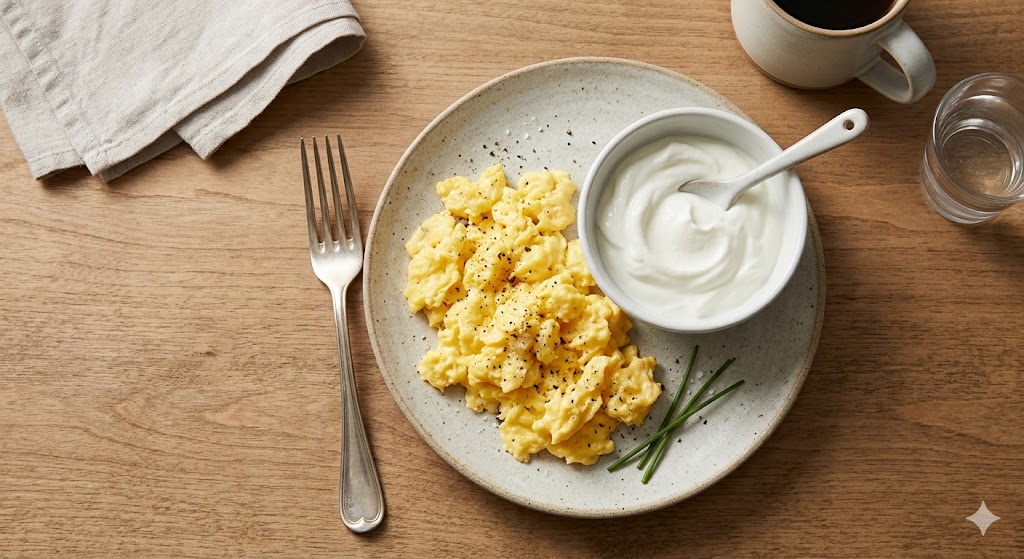
This is where most days fall apart — or get saved.
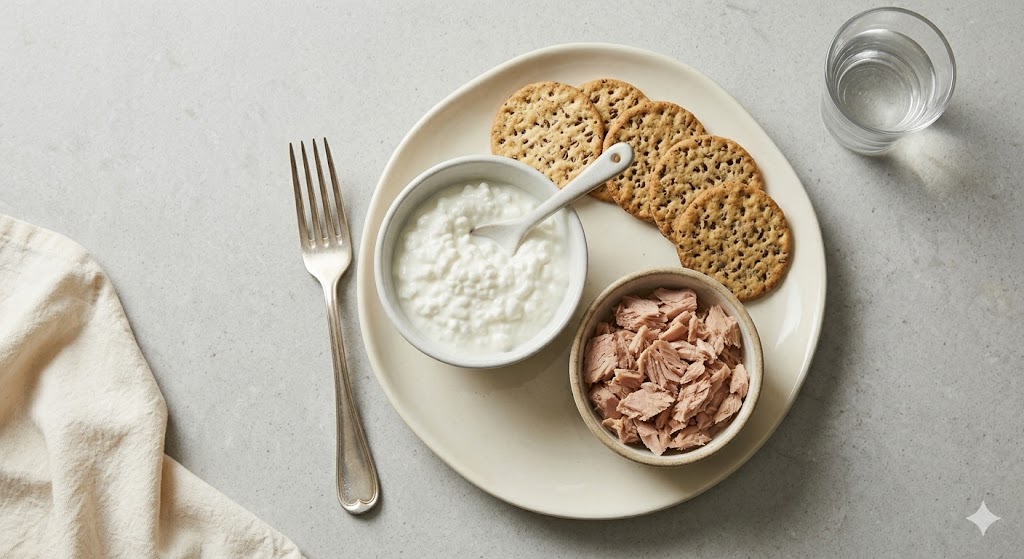
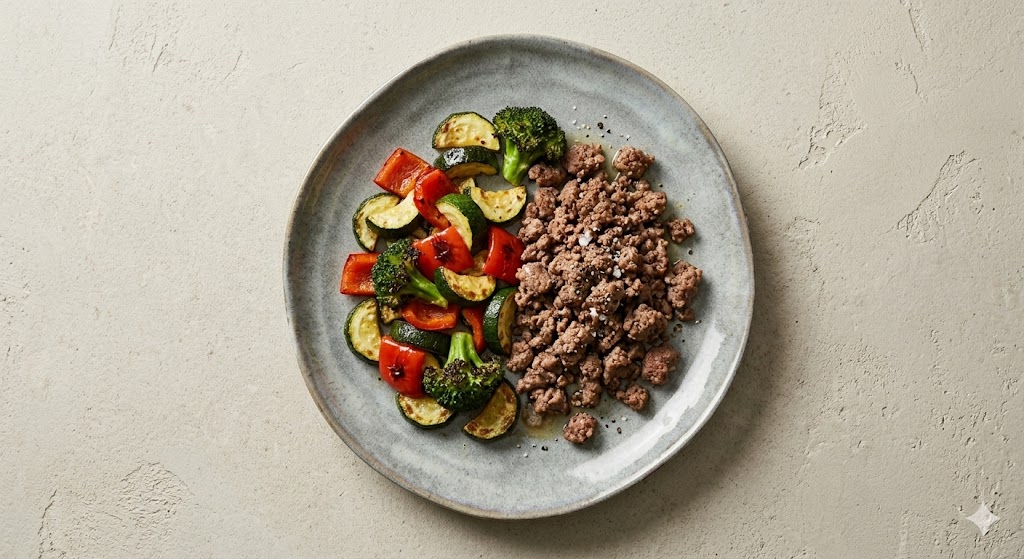
That's it. Three meals, no protein shakes required, nothing exotic. This is exactly what 120g of protein looks like in a real day — not a meal plan from a nutritionist, but foods most men already cycle through. The difference isn't what you're eating — it's knowing the number before you go to bed instead of guessing. If your goal is active recomposition rather than maintenance, here's what a 160g day looks like using the same foods
What a Typical Day Actually Looks Like (Before Tracking)
For context, here's what a "healthy eating" day often looks like for men over 50 who aren't tracking — and how it stacks up against that 120g target.
| Meal | What They Ate | Protein |
|---|---|---|
| Breakfast | 2 eggs + toast + coffee | 14g |
| Lunch | Turkey sandwich + side salad | 22g |
| Dinner | Grilled chicken breast (4oz) + rice + vegetables | 28g |
| Snacks | Handful of nuts + apple | 5g |
| Total | Looks solid. Feels healthy. But the number tells a different story. | 69g |
69g. Half the target. And nothing in that day looks unhealthy — there are vegetables, lean proteins, whole grains. The problem isn't food quality. It's quantity of the one macro that matters most after 50.
Most men aren't making bad choices. They're just 50 grams short — every single day — and the deficit compounds silently over months and years into muscle loss they attribute to age. And it's happening every day.
Three Ways to Hit 120g Without Overhauling Your Diet
You don't need a new diet. You need a few deliberate swaps that shift your protein numbers without changing the structure of how you eat.
| Swap | From | To | Gain |
|---|---|---|---|
| Breakfast | 2 eggs | 3 eggs + Greek yogurt | +21g |
| Lunch side | Chips or fruit | ½ cup cottage cheese | +12g |
| Dinner protein | 4oz chicken | 5–6oz chicken or ground beef | +8–12g |
| Afternoon snack | Nuts or crackers alone | 2oz beef jerky | +15g |
Those four swaps alone — applied to the "typical day" above — push you from 69g to roughly 120g. Same meal timing. Same general structure. Different numbers.
Can You Hit 120g Without Protein Shakes?
Yes, entirely. The day shown above does it with whole food. But shakes are the easiest gap-closer when dinner was lighter than planned or breakfast got skipped. One scoop of whey in water is 24–26g in 90 seconds. It's a tool, not a requirement.
The men who struggle to hit 120g consistently aren't missing supplements — they're missing the number at breakfast and lunch, then trying to compensate at dinner. Dinner can only do so much. The distribution matters as much as the total.
The Only Thing That Makes 120g Feel Easy
Knowing the number before dinner. That's it. That's when decisions actually change.
When you can see at 6pm that you're at 85g and need 35g more at dinner, you make different choices than when you're guessing. You pick the ground beef over the smaller portion. You add the cottage cheese to the plate. You close the gap because you can see it.
When the number is invisible, the gap stays invisible too. Most men aren't even measuring it — which is why most men are 50g short without knowing it.
If you're searching for what 120g of protein looks like, how to get 120g protein a day, 120g protein meal plan men over 50, what does 100g of protein look like in food, or how to hit protein goals after 50 — this breakdown is built exactly for that question.